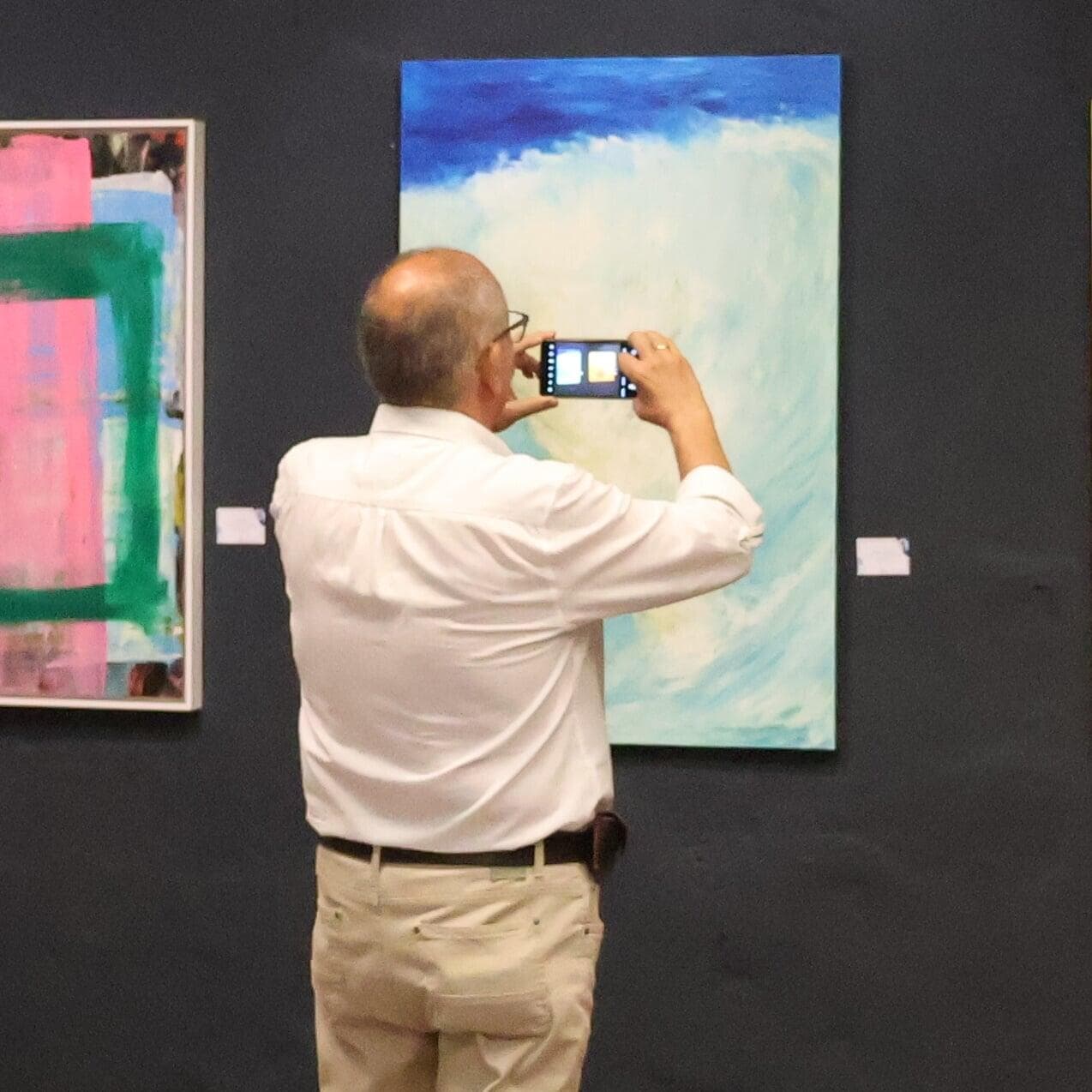
The instruction was simple: step back and look.
For centuries, painting has taught us how to look.
Usually, a painting is meant to be viewed from a certain distance. Step back, and the image becomes whole. Impressionism made this especially evident: up close, the painting breaks into separate strokes and patches of color; step away, and they merge into an image. The instruction was simple: step back and look. My paintings ask for the opposite.
Step closer. And closer still.
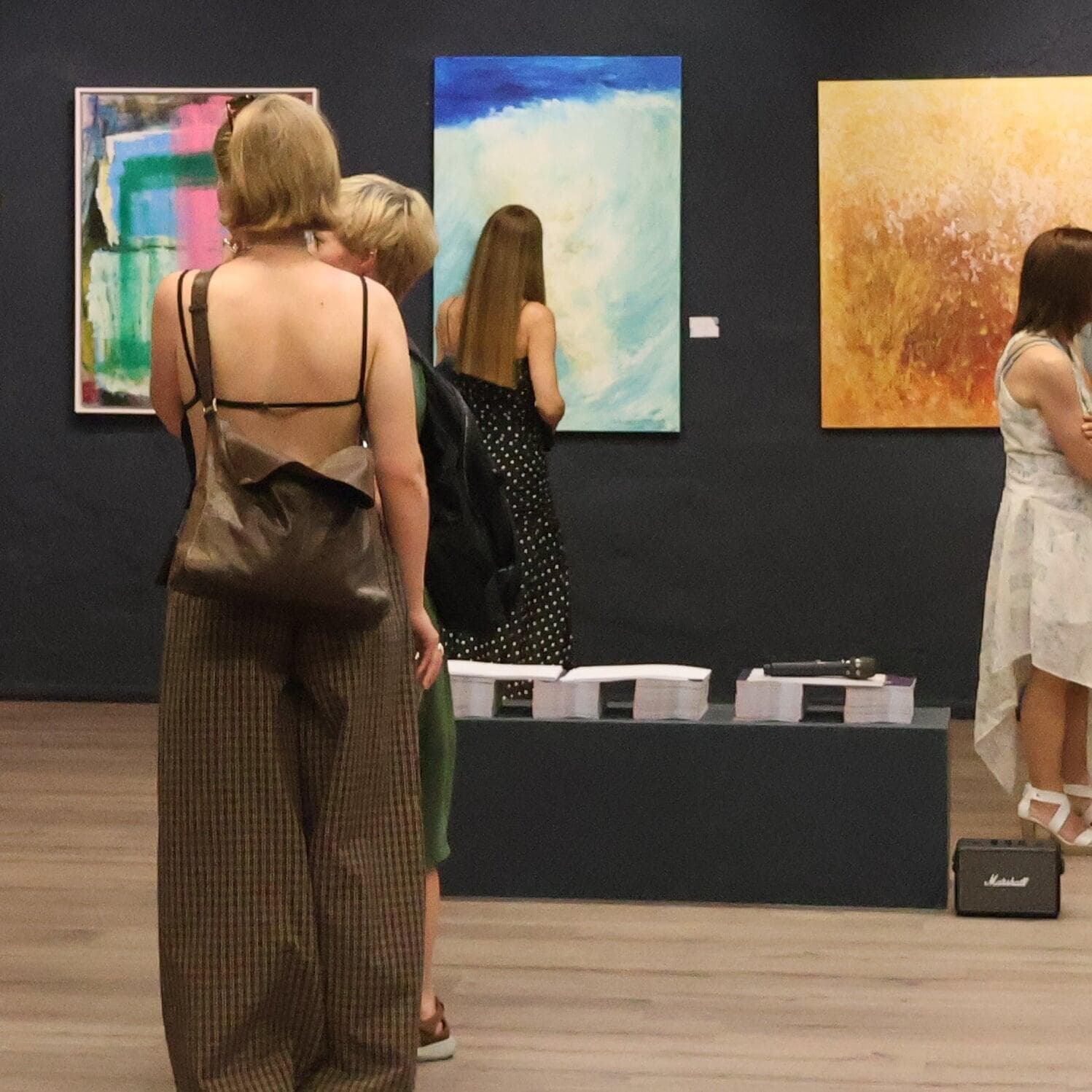
Come so close that your nose is almost touching the canvas. Look into the surface. Examine it. Move across it. Stay with it.
What appears at that distance is not merely detail.
It is another painting. And then another. And another.
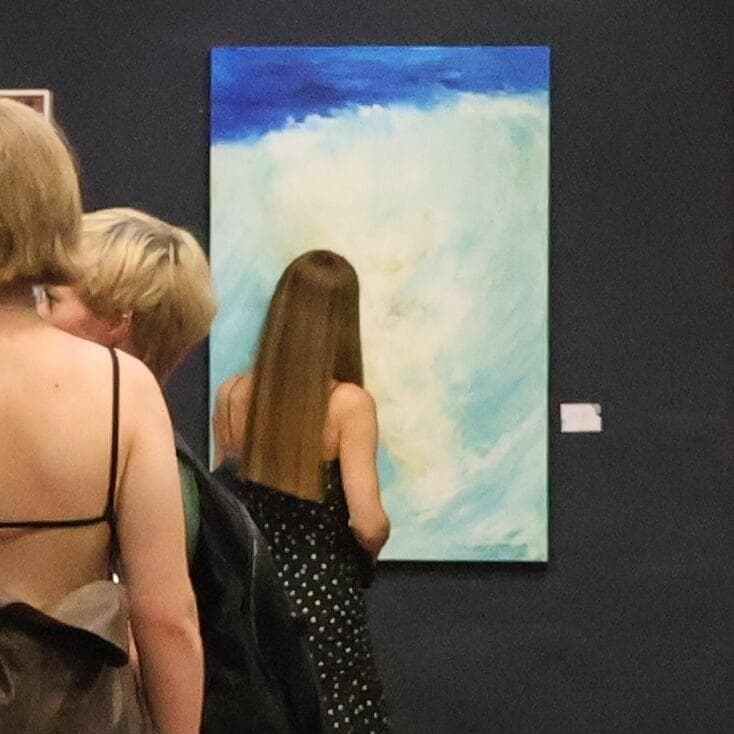
A single canvas can contain dozens, even hundreds, of distinct visual events and structures. They do not exist as separate paintings placed beside one another. They exist simultaneously within the same surface, becoming visible at different distances and through different acts of looking.
In this sense, the painting becomes almost like a gallery contained within a single canvas.
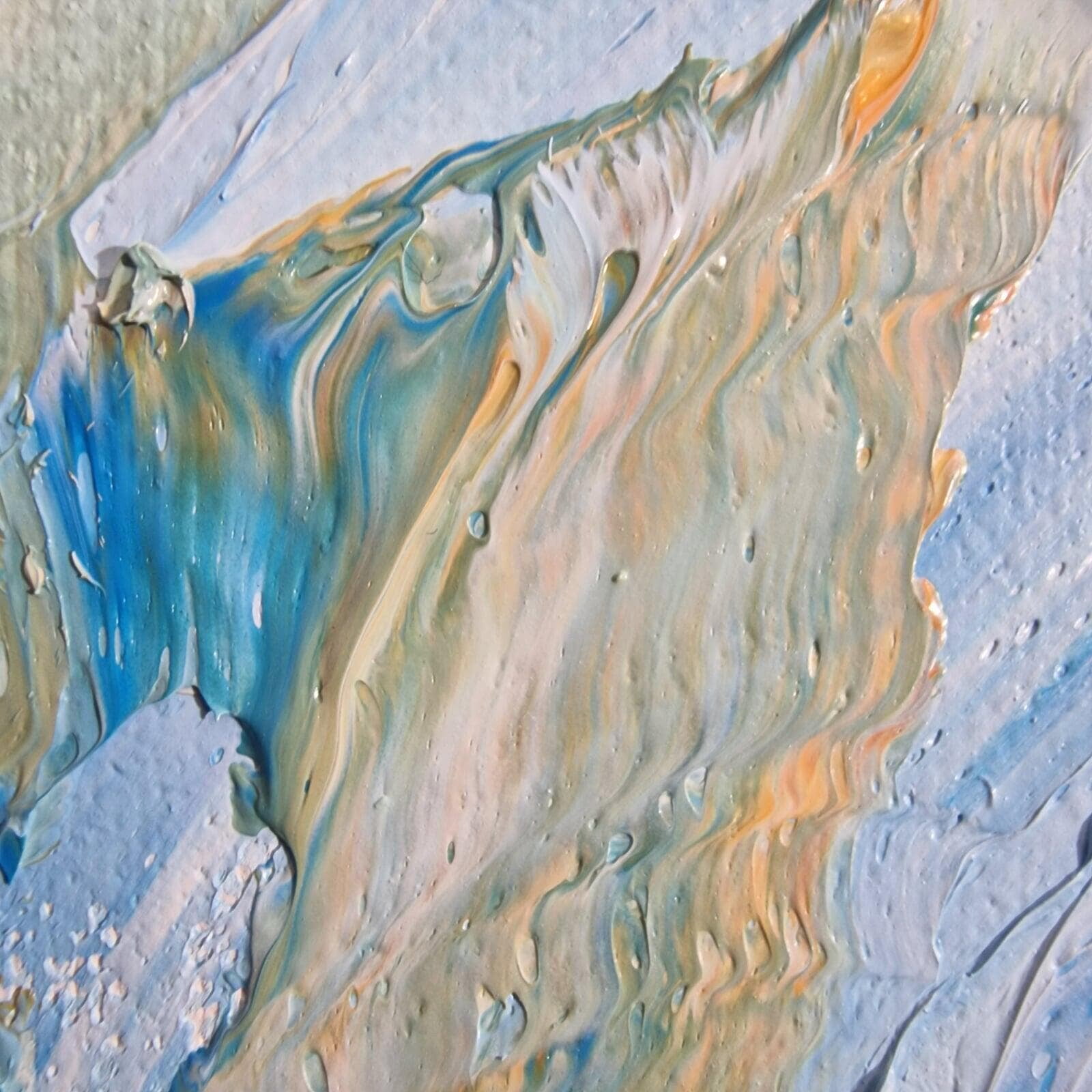
This is not an effect produced by adding more detail. It comes from the way the pigment itself is handled.
I call my process directing pigment rather than applying paint. Pigment is repeatedly directed through micro-movements - its flow is turned, slowed, accelerated, gathered and redistributed. The resulting surface is not simply textured. It contains trajectories, densities, interruptions and microscopic relationships that continue to reveal themselves as the viewer approaches.
This changes not only what can be seen, but how the painting must be seen.
The traditional question has often been: What is the right distance from which to view this painting?
My paintings do not have one right distance.
They require movement.
From far away, you encounter the whole. Closer, the surface begins to separate into other structures. Closer still, those structures become worlds of their own. The painting does not change when you move toward it. What changes is how much of the painting becomes visible.
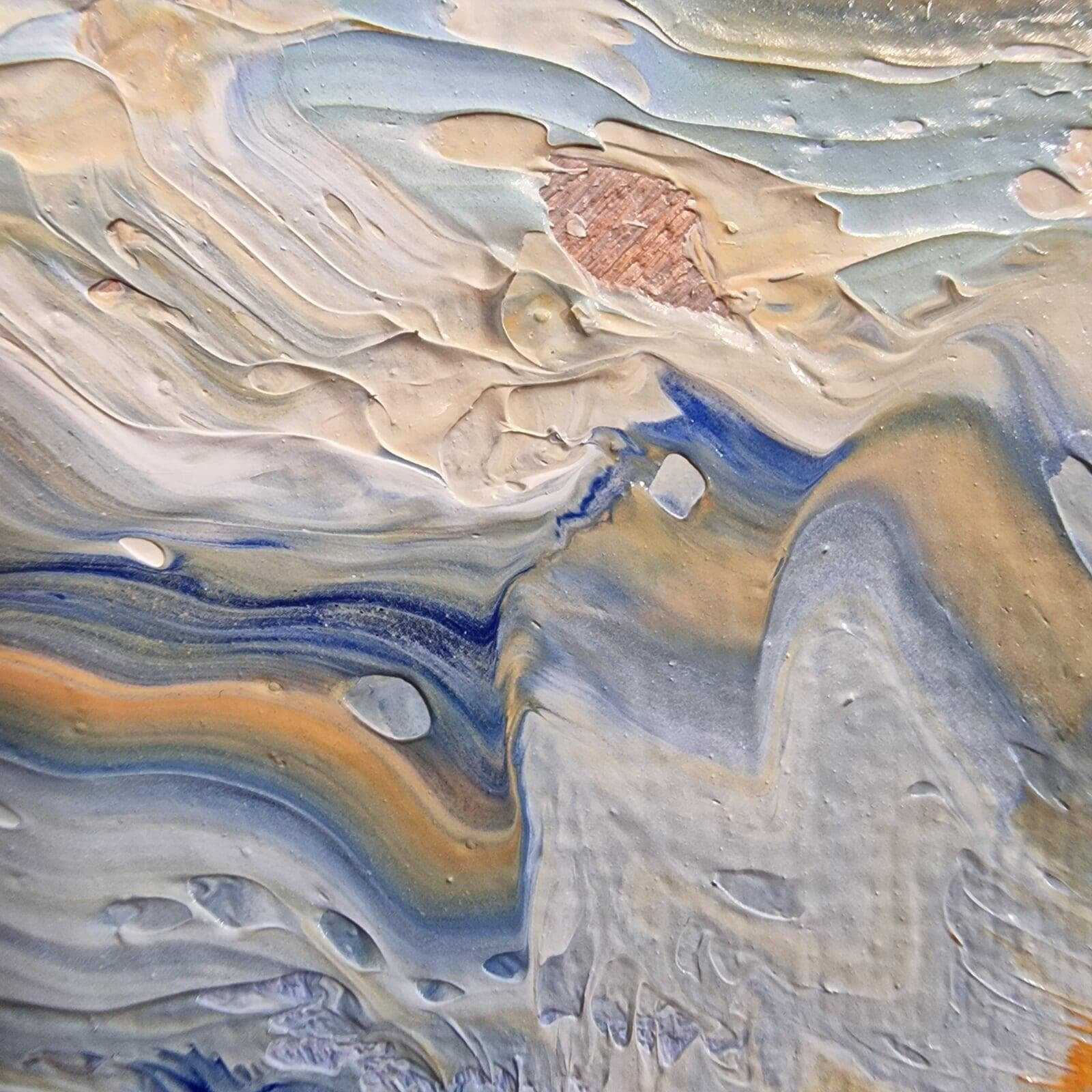
This is where I believe something important has happened within the medium of oil painting.
For much of the last century, painting has repeatedly questioned itself: its subject, its image, its materiality, its relevance and even its necessity. Many artists have turned toward new media because oil painting can appear to be a medium whose possibilities have already been exhausted.
I do not believe that. I believe oil painting is still an open system. Its history is not finished.
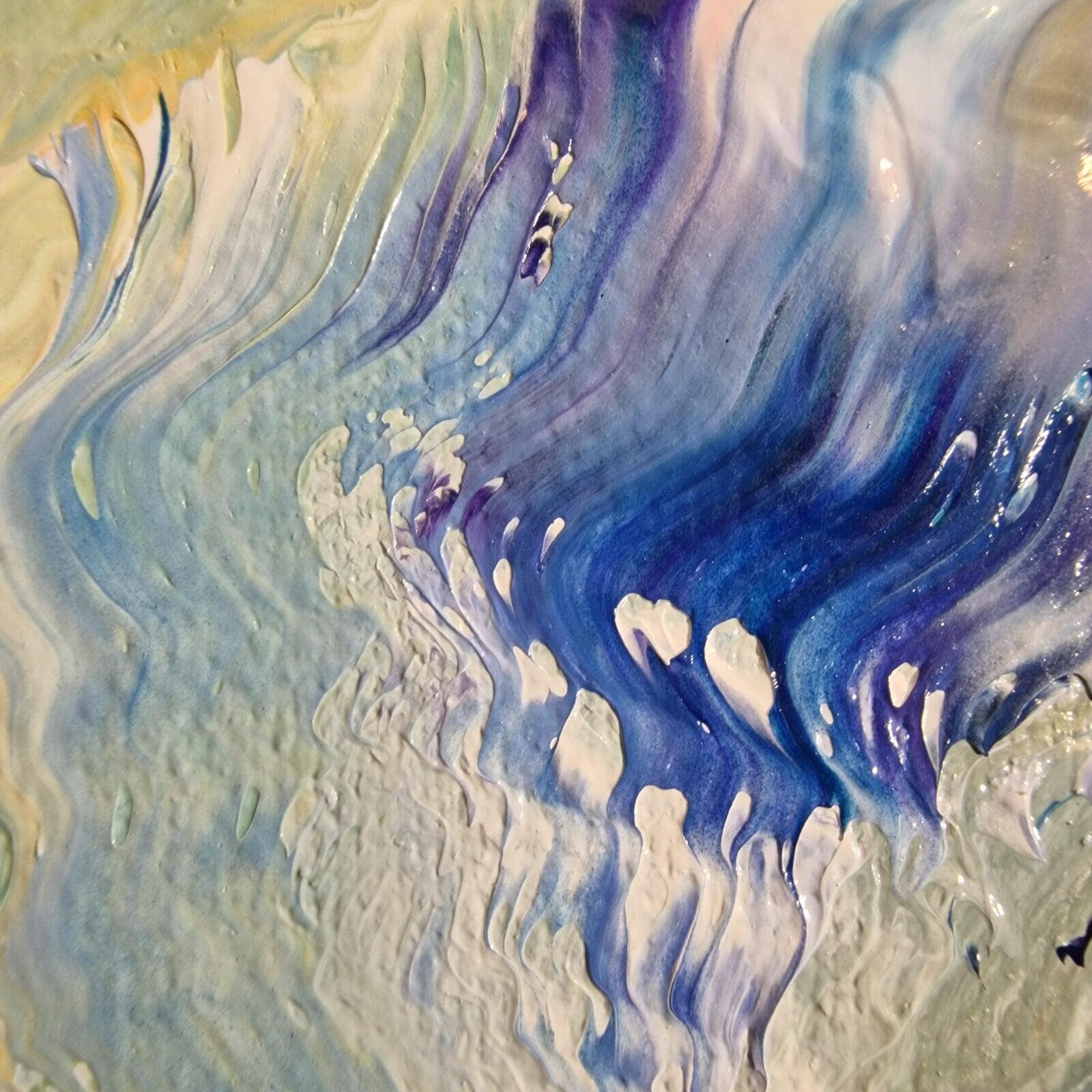
I am not interested in abandoning the medium in search of something newer. I am interested in discovering what the old medium can still become.
The possibility lies not necessarily in inventing another style, another image or another surface effect, but in changing the fundamental relationship between pigment, surface and perception.
If painting can contain not one image but hundreds of independently discoverable visual experiences, then the canvas is no longer simply a window onto something.
It becomes a space to enter.
And perhaps this is the next question for oil painting:
Not how much more can we put onto the canvas - but how much more can the canvas reveal?