I direct pigment
One of the questions I am asked most often concerns the surface of my paintings. People wonder why it looks different. The answer is surprisingly simple: I do not think of oil painting as applying paint to a canvas. I think of it as directing pigment.
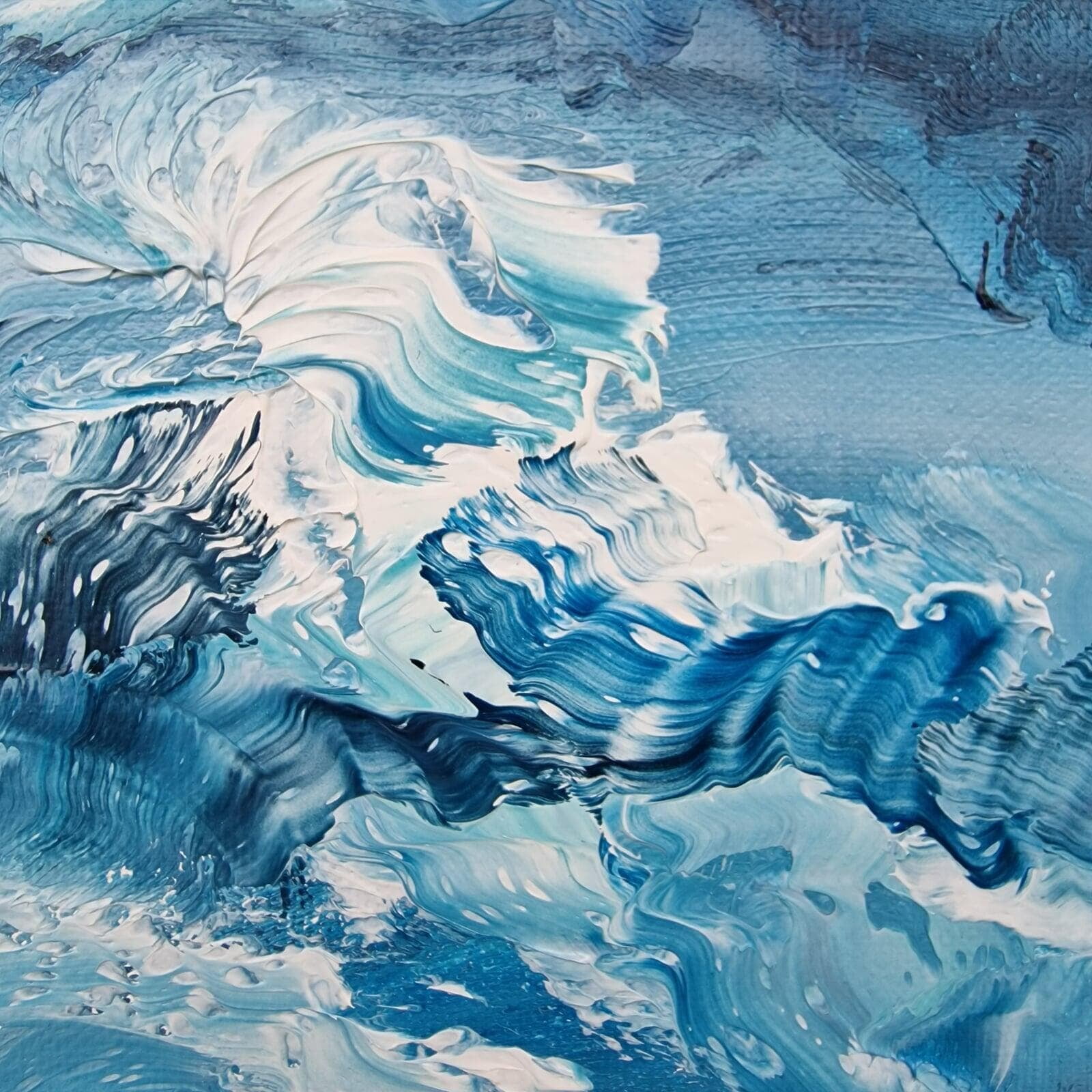
Traditional descriptions of oil painting usually speak about applying paint to the canvas. That description has never felt entirely accurate for my own work. Over time, I realized that what I actually do is not apply paint - I direct pigment.
This distinction may seem subtle, but it fundamentally changes the way I think about painting.
During the painting process, pigment is consciously guided through thousands of micro-movements. Its movement is redirected, slowed down, accelerated, gathered, and redirected again. Rather than building a surface by adding texture, I shape the movement of the pigment until the structure begins to emerge naturally.
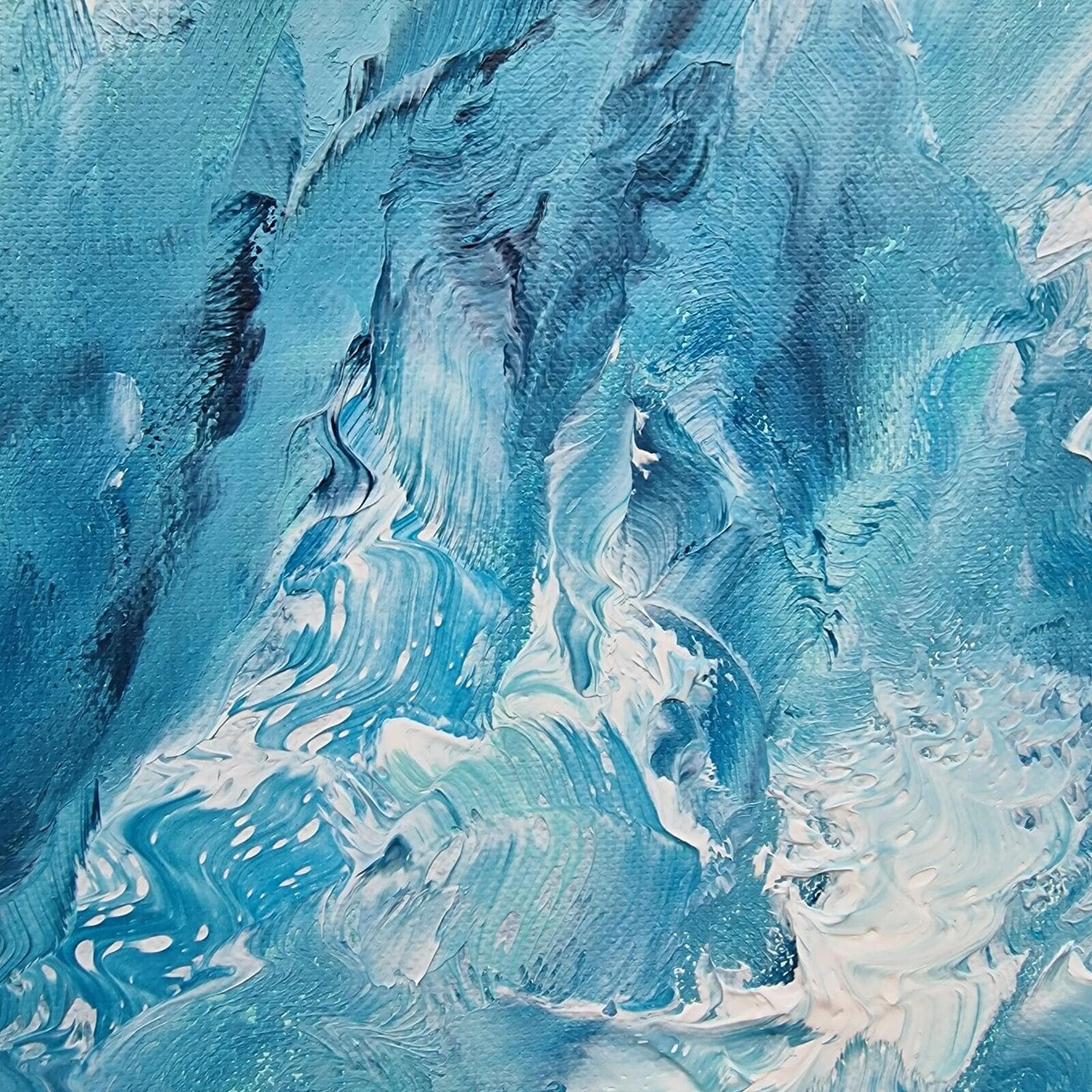
The visible texture is therefore not the objective. It is the consequence of controlled pigment movement.
When people first see my paintings, they often focus on the image itself. Only after looking more closely do they begin to notice the countless microscopic decisions recorded on the surface. Every shift in direction, every transition between transparency and opacity, and every accumulation of pigment results from deliberate decisions made throughout the painting process.
This has led me to ask a simple question: Who else paints in this way?
Despite considerable searching, I have not yet found a documented oil painting methodology that describes pigment being consciously directed through repeated micro-movements in this way. Similar visual effects certainly exist throughout art history, and several artists have explored related ideas. However, I have not found a documented technique in which directing pigment itself forms the central working principle.
That does not prove that no one else has ever worked this way. Art history is far too vast for such absolute statements. But it does suggest that this approach has not become a recognised or widely described painting methodology.
If you know of an artist who works using a genuinely comparable process, I would be very interested to learn about it. Dialogue and comparison are essential parts of artistic development.
For now, this way of working has become inseparable from my own practice. It is not about inventing a new style or following a trend. It is simply the result of decades of searching for a more precise way to control the behaviour of pigment and to allow the image to emerge from that process.
Perhaps that is what has gradually become the Veisveer method.